

What is Air Decking in Blasting?
If you've been around blasting for a while, you've probably heard the term "air deck" thrown around. Maybe you've used one. Maybe your engineer keeps pushing for them. Maybe you've tried them and had mixed results.
Either way, this is worth understanding — because when air decking is done right, it can make a real difference in your blast results.
So let's break it down.
What is an Air Deck?
An air deck is simply a gap of air inside the blast hole — intentionally placed between explosives' charges, or between explosives and stemming.
Instead of filling the entire hole with explosives and stemming material, you leave a section of the hole empty. That air gap does something useful: it changes how the energy from the blast moves through the rock.
Here's the simple version: when the explosive detonates, the expanding gases hit that air gap and redistribute before reaching the stemming. This creates a more even pressure distribution across a larger section of the hole and reduces upward pressure on the stemming.
The result? More consistent fragmentation without adding more explosives.
Why Would You Use an Air Deck?
There are a few common reasons blasters use air decking:
Reduce powder factor. You're using less explosives per hole while still getting good breakage. That means lower costs per blast.
Improve fragmentation. The air gap helps spread energy more evenly through the rock. Instead of concentrating all the force at the bottom of the hole, you distribute it. This can lead to more consistent sizing at the crusher.
Reduce flyrock risk. With less explosive near the collar and better confinement, there's less chance of material being thrown. This matters especially on boundary blasts or anywhere near infrastructure.
Control vibration. Less powder per hole generally means lower vibration levels. If you're blasting near sensitive structures, property lines, or final walls, air decking can help keep you within compliance.

Air decking delivers four key advantages: lower powder factor, better fragmentation, reduced flyrock risk, and vibration control.
How Does It Actually Work?
The physics isn't complicated.
When explosives detonate in a confined space, the gases expand rapidly. In a standard loaded hole, all that energy pushes outward from wherever the charge sits. The rock closest to the charge gets the most force. The rock farther away gets less.
An air deck changes that distribution. The air gap gives the expanding gases room to spread before they hit the stemming. Instead of all the energy being concentrated in one spot, it gets distributed over a longer section of the hole.
Think of it like this: if you squeeze a water balloon at one end, all the pressure goes to the other end. But if you apply even pressure around the whole thing, the force spreads out. Air decking works on a similar principle — it helps spread the blast energy more evenly through the rock column.
The key is that the air gap has to be sealed properly. If stemming material falls into the air deck space, you lose the gap — and the benefit along with it.
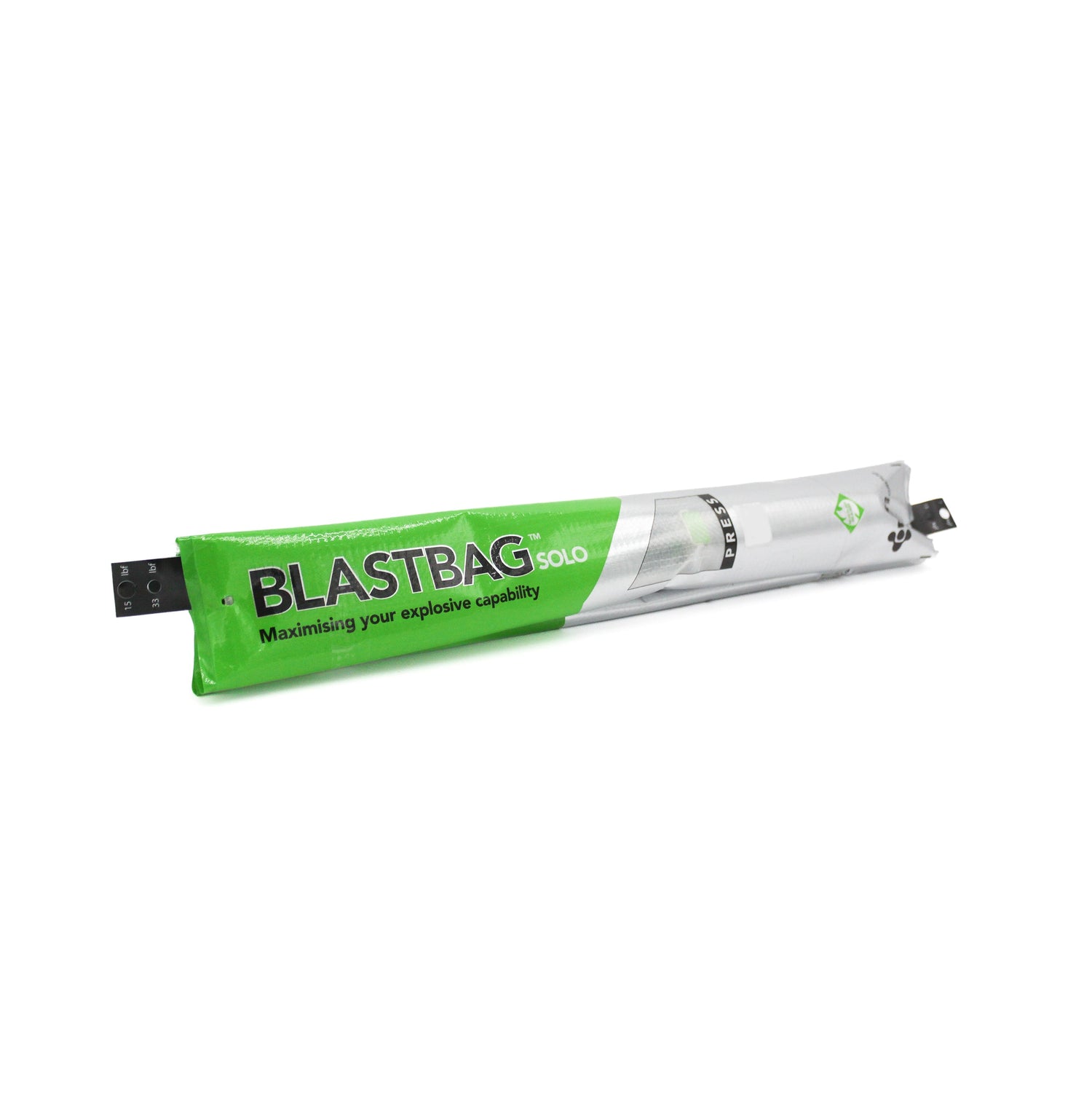
See how an air deck redistributes blast energy for more even fragmentation using BLASTBAGS™.
Where is Air Decking Used?
Air decking shows up across a range of blasting applications:
Achieving Consistent Fragmentation — especially where fragmentation consistency is important for processing. If your crusher is constantly dealing with oversized material, air decking in combination with good blast design can help even things out.
Boundary blasting — where flyrock control and vibration are priorities. Reducing the charge near the collar while maintaining breakage is exactly what air decking is built for.
Presplit and trim blasting — where controlled breakage matters more than raw force.
Vibration Reduction — When shooting near structures, final walls, or anywhere vibration may be a concern, and air deck can help reduce your powder factor while maintaining good fragmentation.
An air decked coal shot in the USA using MTi GROUP BLASTBAGS™.
What Are the Different Ways to Set Up an Air Deck?
There are several methods, and they range from simple to more engineered:
Stemming plugs — a physical plug placed between the explosive column and the stemming. These sit in the hole and create the air gap below them.
Gas bags (inflatable plugs) — these are inflated inside the hole to create a sealed air deck. They conform to the hole diameter and seal against the walls, which keeps explosives or stemming in place. This is the most reliable method.
Wooden spacers or foam plugs — some operations use improvised spacers. These can work in dry, consistent holes, but they're less reliable when conditions change.
Deck loading with multiple charges — in some designs, you'll see multiple explosive decks separated by air gaps and stemming. Each deck gets its own initiation. This is more complex but gives you precise control over energy distribution.

BLASTBAGS™— multiple air decking configurations for different hole conditions and blast designs.
So What Does This Mean for Your Operation?
If you're dealing with any of these problems — oversized material, high powder costs, flyrock incidents, vibration complaints — air decking is worth looking at. It's not a silver bullet, but it's a proven technique that can improve results when applied correctly.
The most important thing is using a method that gives you a consistent, reliable air deck from hole to hole. If the deck fails or varies, the results will too.
At MTi Group, we make products specifically designed for this — including BLASTBAGS™, which are inflatable gas bags that create sealed air decks in any hole condition. If you want to learn more about how they work, check out the BLASTBAGS™ collection.
But regardless of the method you choose, understanding how air decking works is the first step to getting better results from your blasts.
-
Best Seller
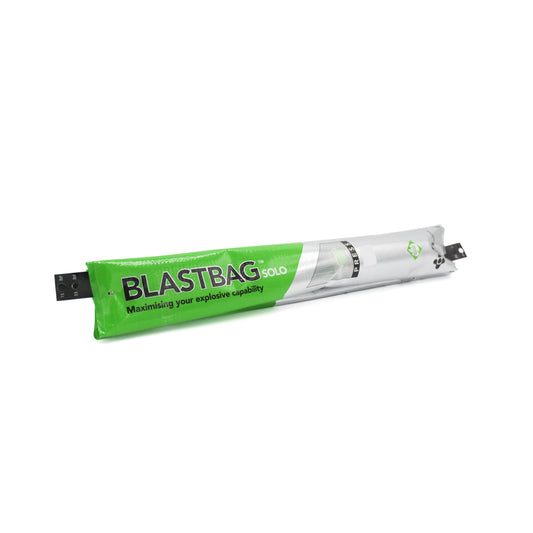
BLASTBAG™ SOLO
Most used BLASTBAG™ in the world with dual speed inflation.
-
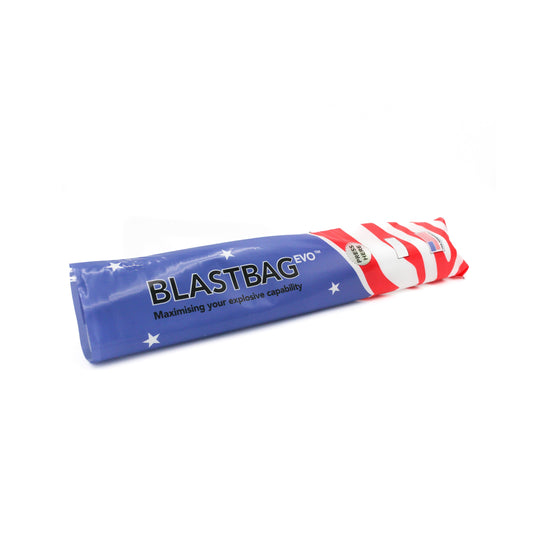
BLASTBAG™ EVO
BLASTBAG™ with non-flammable aerosol propellant.
-
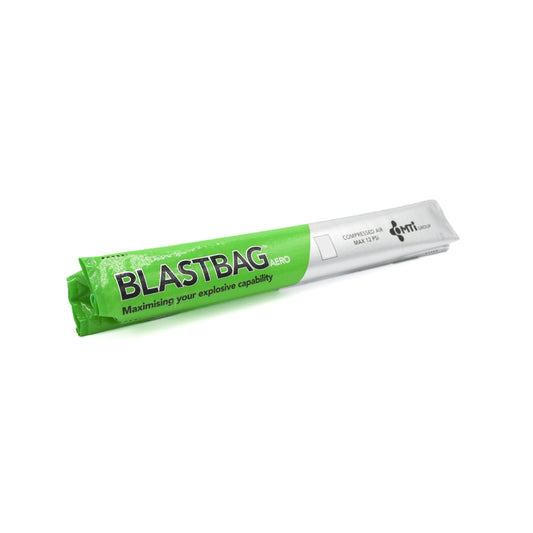
BLASTBAG™ AERO
Air-operated BLASTBAG™ for efficient, safe mining operations.
-
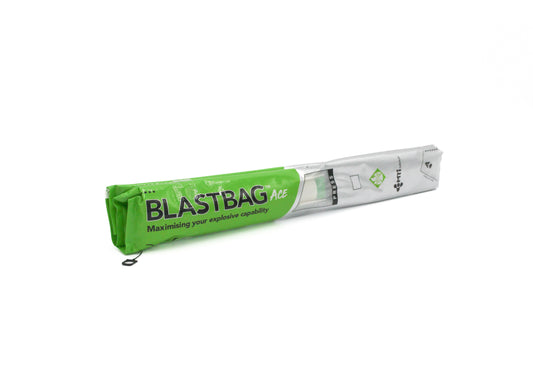
BLASTBAG™ ACE II
Safe, non-toxic, chemical-reactive BLASTBAG™.
-

ROCKRIVETS
Friction-based retention spider plug
