

Pricing varies by volume and account type.
Get Your Custom Pricing — Free AccountAlready have an account? Log in here

Friction retention

Collet-like fin closure

Maximum holding, minimal leak

Line passage design

Rigid and semi-rigid types

Easy installation method
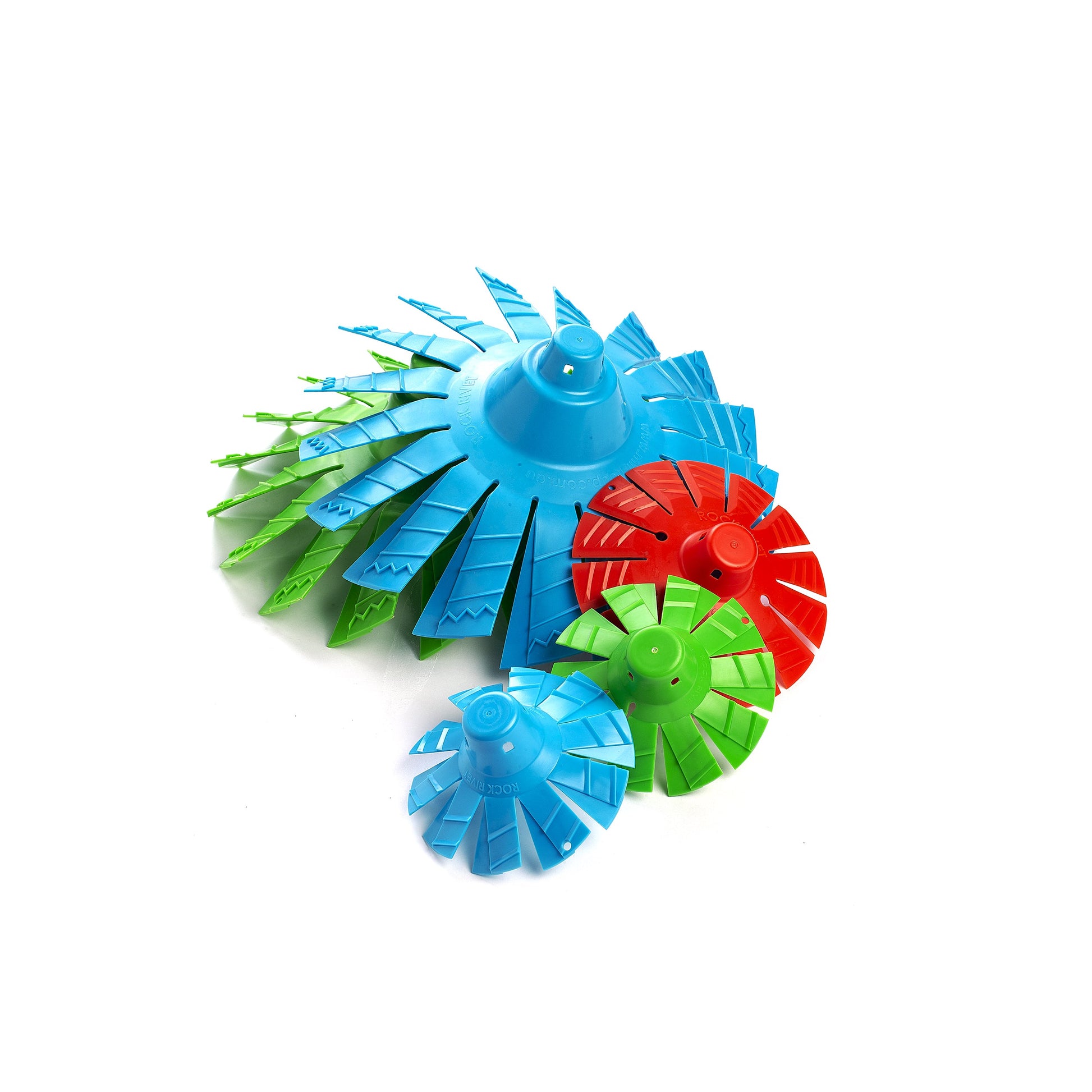
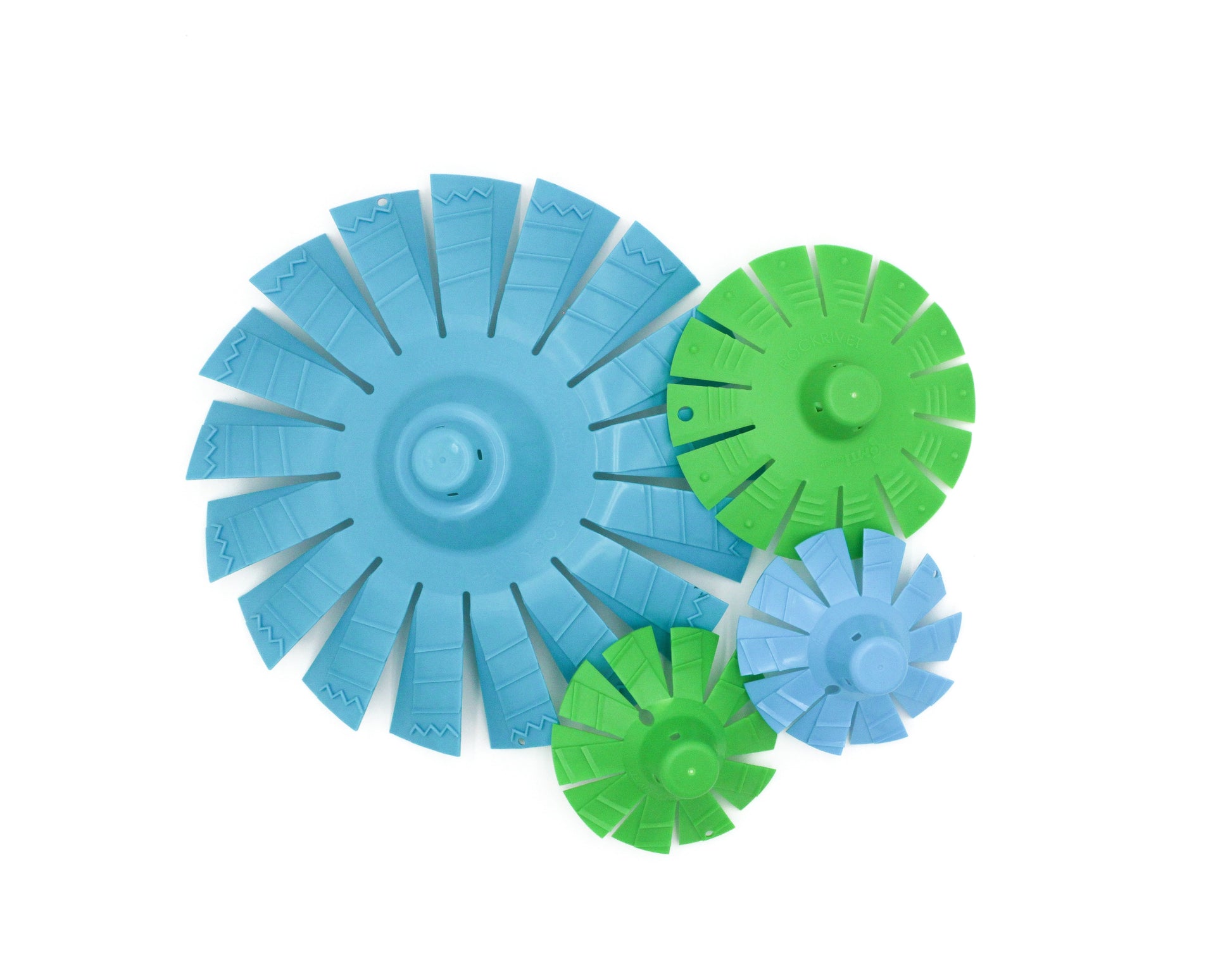
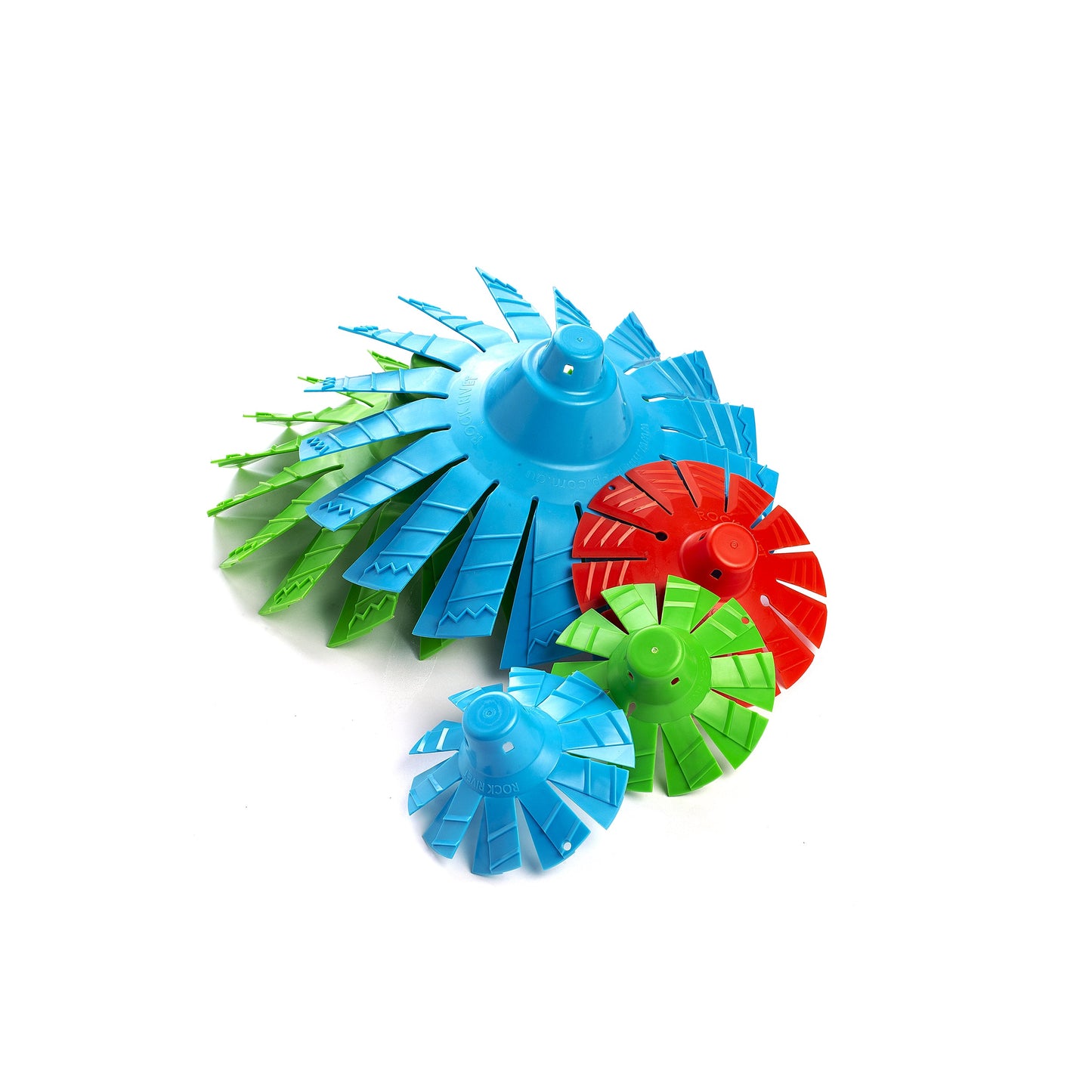
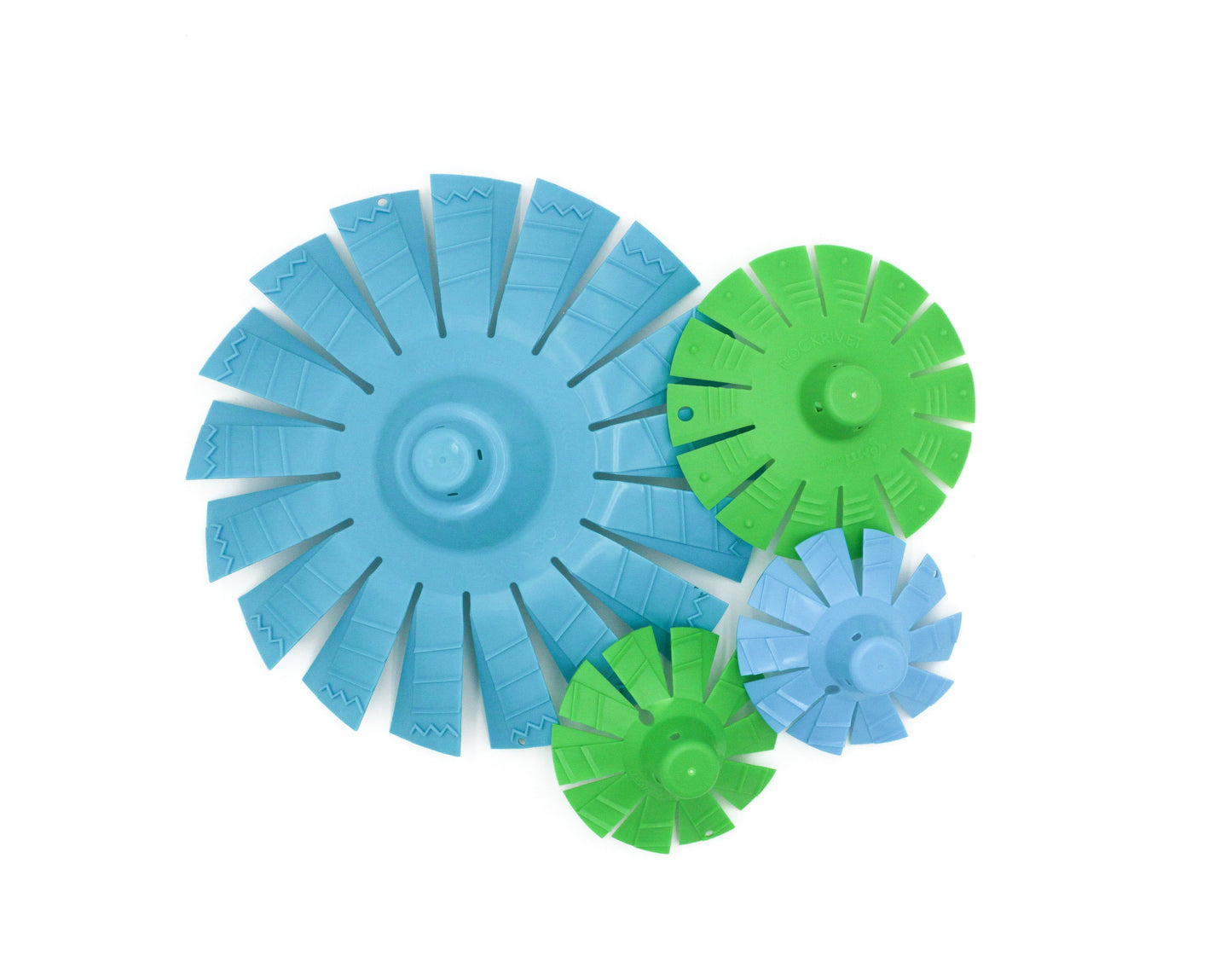
The ROCKRIVET™ stemming plug uses friction from its fins to hold in the wall of the hole. The fins close up as you push it in and bite once it’s set. It keeps the charge where you put it and cuts down on leaking. There’s a clear passthrough for your downline so you don’t pinch it or cut it off.
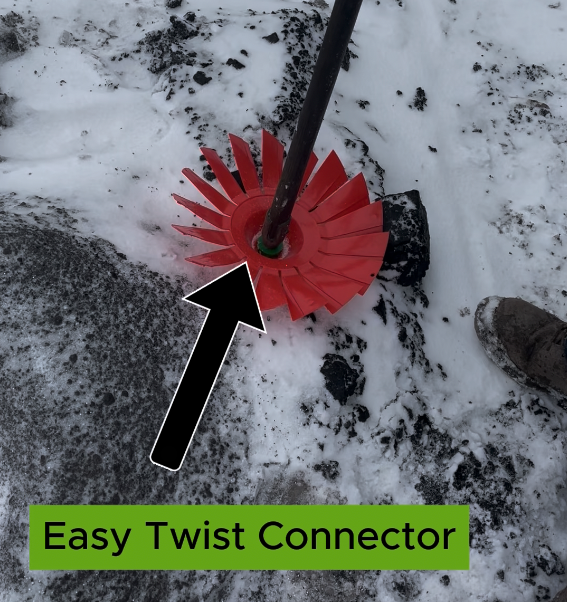
You can push it with an ANFO hose, or use the ROCKRIVET Connector on a 1¼" load pole. Twist to break it off once you’re at height. It stays put after that and doesn’t walk, twist, or shift on you.
Rigid versions hold heavier loads. Semi-rigid versions go in easier in tighter holes.
If you’re used to using a spider plug, this does the same job. Just a different fin design.

 Terms & Conditions


Non-Sparking
Case Studies
View all-

38% Finer Fragmentation. 15% Less Oversize. Her...
A 90-million-tonne iron ore mine in South America was dealing with flyrock, oversize, and poor fragmentation. By adding Rockrivets to their stemming design, they cut P80 by 38% and reduced...
38% Finer Fragmentation. 15% Less Oversize. Her...
A 90-million-tonne iron ore mine in South America was dealing with flyrock, oversize, and poor fragmentation. By adding Rockrivets to their stemming design, they cut P80 by 38% and reduced...
-

Reduce Ore Loss & Dilution in Mining
Discover how a major South American copper mine cut ore loss by 36.6% and saved over $42,000 using MTi’s BLASTBAG™ technology.
Reduce Ore Loss & Dilution in Mining
Discover how a major South American copper mine cut ore loss by 36.6% and saved over $42,000 using MTi’s BLASTBAG™ technology.
-

Flyrock Reduction in Surface Blasting
BLASTBAG™ air decking cut flyrock incidents to near zero and reduced charge per hole by 33 lbs, enabling safer blasting at a West African gold mine.
Flyrock Reduction in Surface Blasting
BLASTBAG™ air decking cut flyrock incidents to near zero and reduced charge per hole by 33 lbs, enabling safer blasting at a West African gold mine.


Learn
View all-

What is Air Decking in Blasting?
Air decking can let you use less explosive while improving fragmentation, reducing flyrock, and controlling vibration. Here's how it works — and why more sites are making the switch.
What is Air Decking in Blasting?
Air decking can let you use less explosive while improving fragmentation, reducing flyrock, and controlling vibration. Here's how it works — and why more sites are making the switch.
-

How to Prevent Flyrock on Your Site
Flyrock can damage equipment, shut down sites, and can be fatal. One bad shot can end your project. You know what causes it. Fixing it is different.
How to Prevent Flyrock on Your Site
Flyrock can damage equipment, shut down sites, and can be fatal. One bad shot can end your project. You know what causes it. Fixing it is different.
-

Can You Diagnose Blast Issues By Simply Looking...
Learn how to read the muck pile after blasting to spot fragmentation, throw, and stemming issues before the next shot.
Can You Diagnose Blast Issues By Simply Looking...
Learn how to read the muck pile after blasting to spot fragmentation, throw, and stemming issues before the next shot.


