38% Finer Fragmentation. 15% Less Oversize. Here's How.
38% reduction in P80 Project Highlights
  • 38% finer fragmentation
  • 15% less oversize
  • Reduced flyrock range
  • Improved safety
Site Profile
Location South America
Site Type Open Pit
Material Iron Ore
Bench Height 16.0 m (52.5 ft)
Burden & Spacing 5.0 m (16.4 ft) × 6.0 m (19.7 ft)
Hole Diameter 250 mm (9.8 in)
Explosive ANFO and IBENITE 70/30
Product ROCKRIVET™

Background

A large iron ore operation in South America — producing 90 million tonnes a year — started running into problems. Excessive ejections. Uneven fragmentation. Too much oversize material heading to the crusher.

That's not just a production problem. It's a safety problem.

Oversize rock means more wear on gear, slower loading, slower crushing, and people working closer to risk than they need to be.

The mine brought in Enaex's EMTS team to look at the whole process end-to-end. After talking with the site crew and reviewing what was happening, the root cause came down to poor confinement — partly because of the local geology (hard rock sitting on top of softer, friable material) and partly because the stemming design wasn't doing its job.


The Challenge

Confinement is everything in a blast.

Too much and you get excess vibration and damage to surrounding rock. Too little and you get flyrock, wasted energy, and poor fragmentation.

At this site, the stemming wasn't holding. Explosive energy was escaping out the top of the hole instead of going into the rock where it needed to go. The result: inconsistent breakage, oversize, and ejection issues that put people at risk.


The Solution

The EMTS team designed several different stemming setups using different materials — cuttings, gravel, and Rockrivets. To test them properly, they ran crater tests: eight holes, each fired individually so they could measure and compare the craters.

Holes 3, 4, 7, and 8 had Rockrivets placed at different depths and stemming lengths. The other four holes had no stemming support.

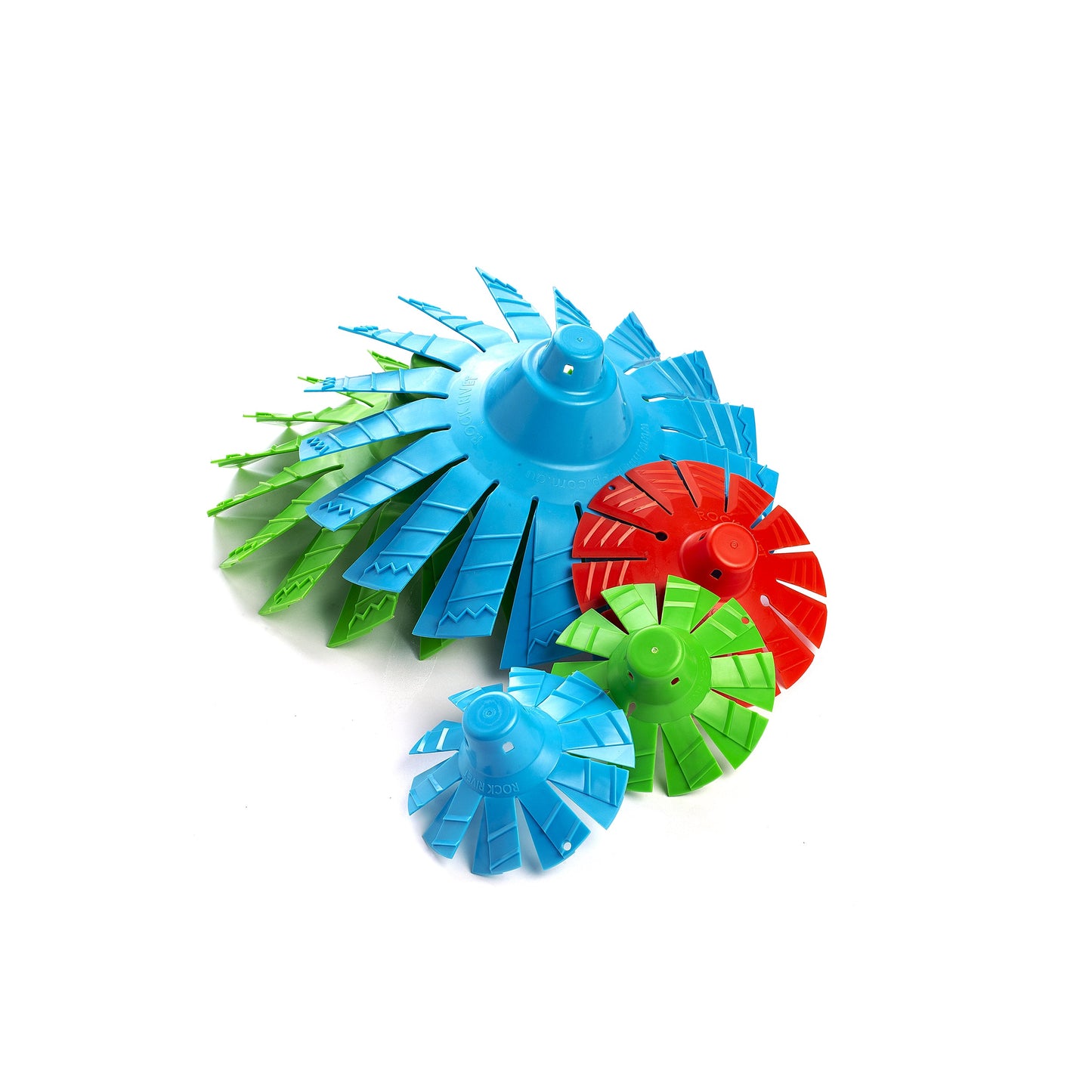
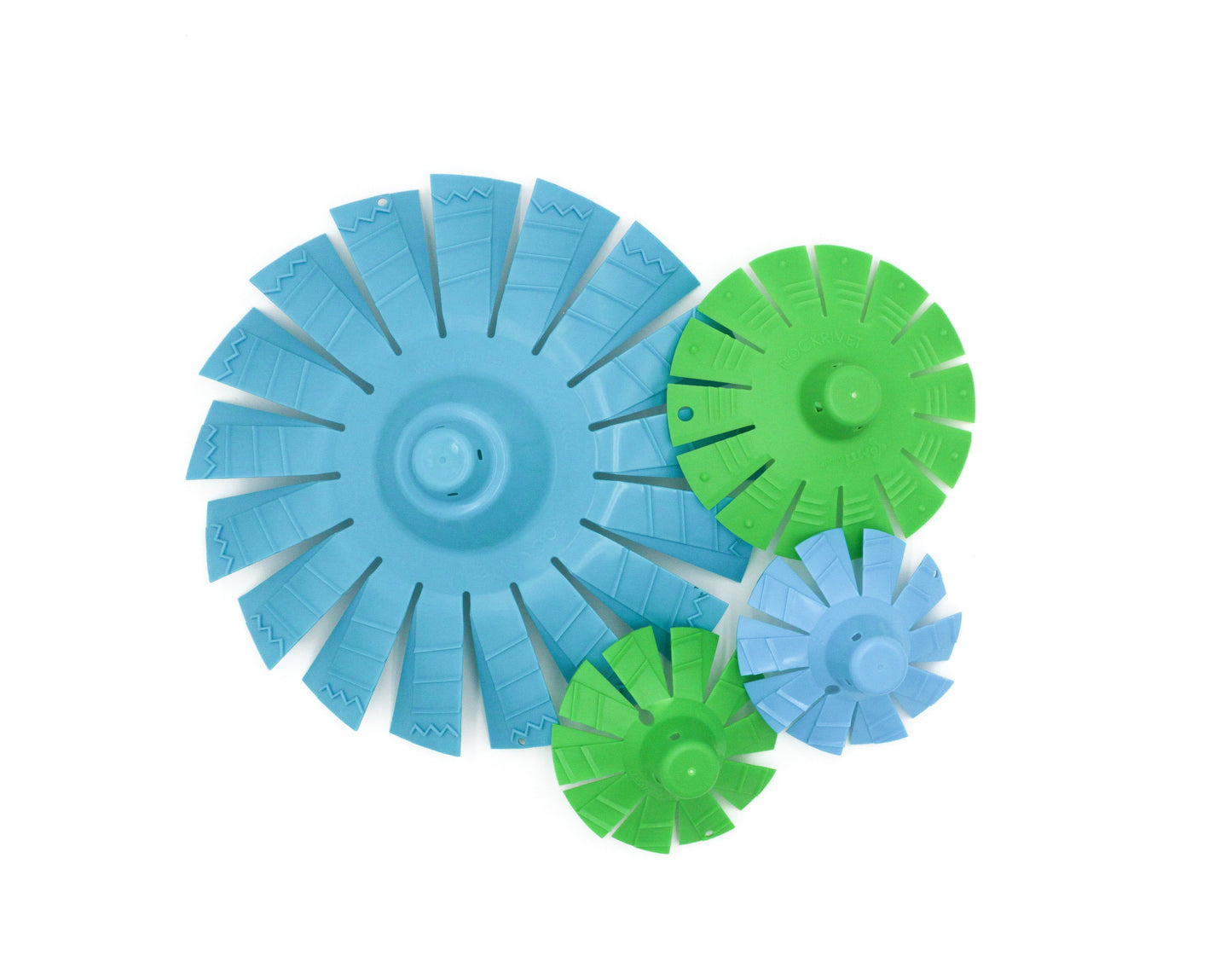
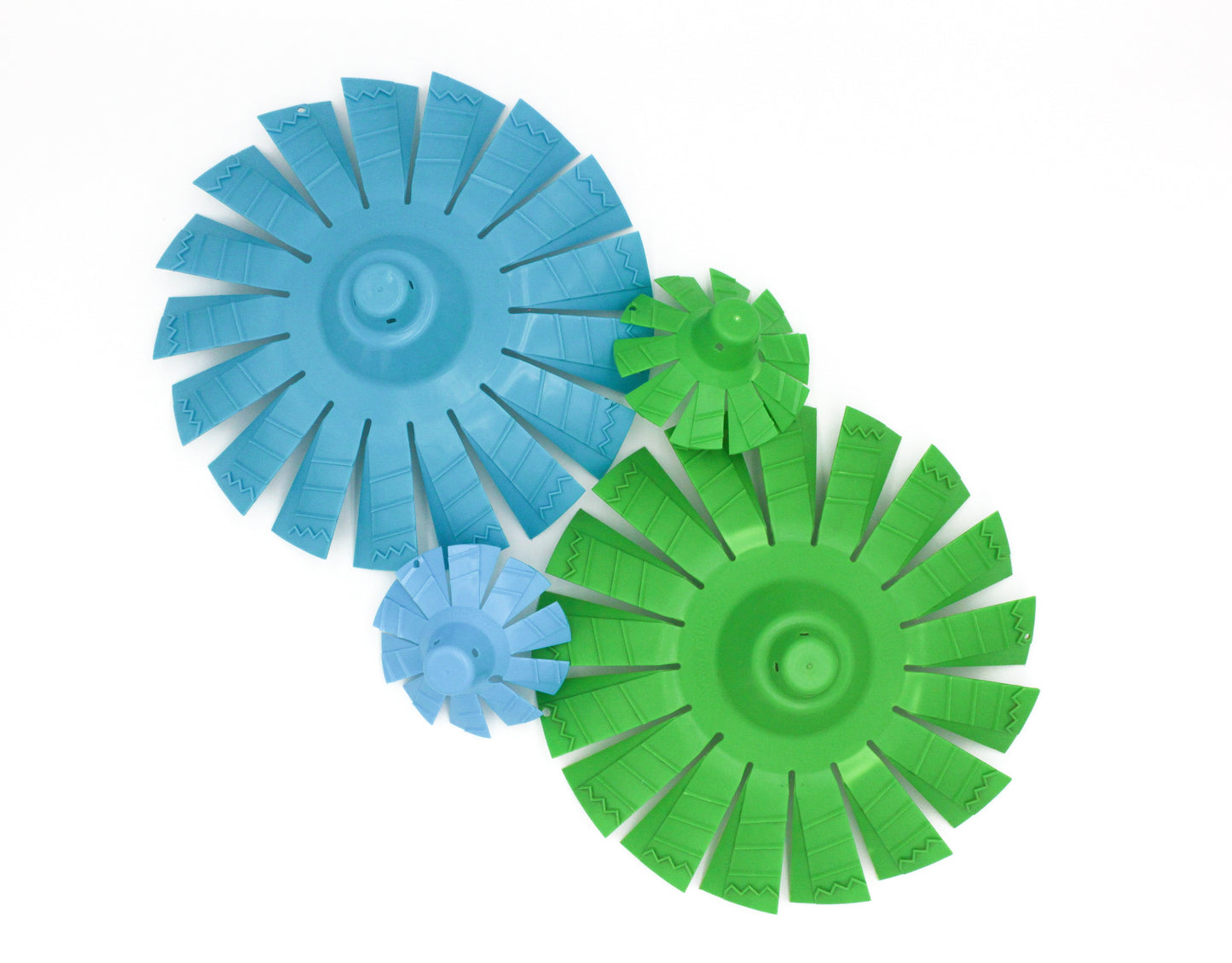
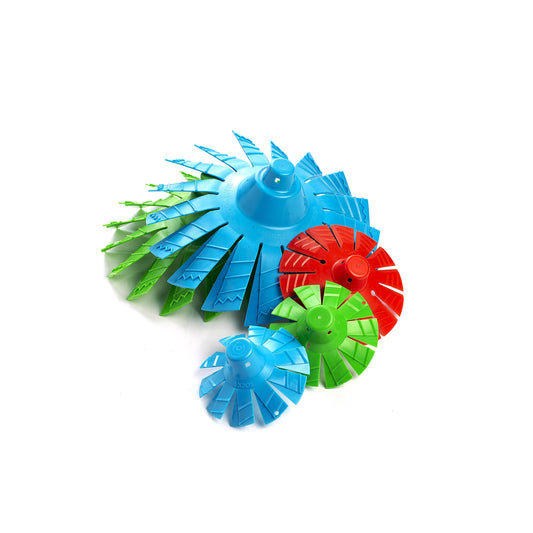
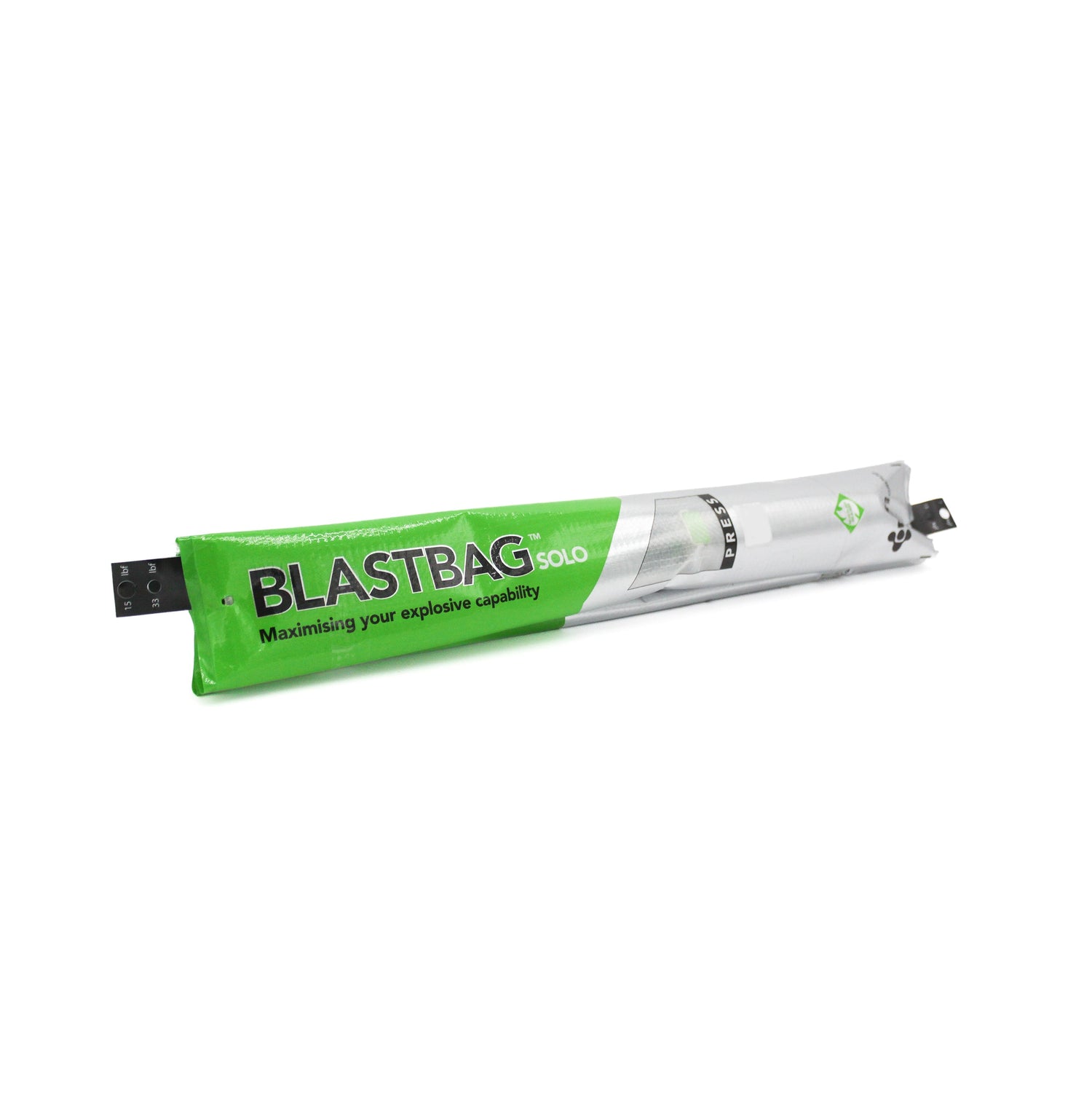
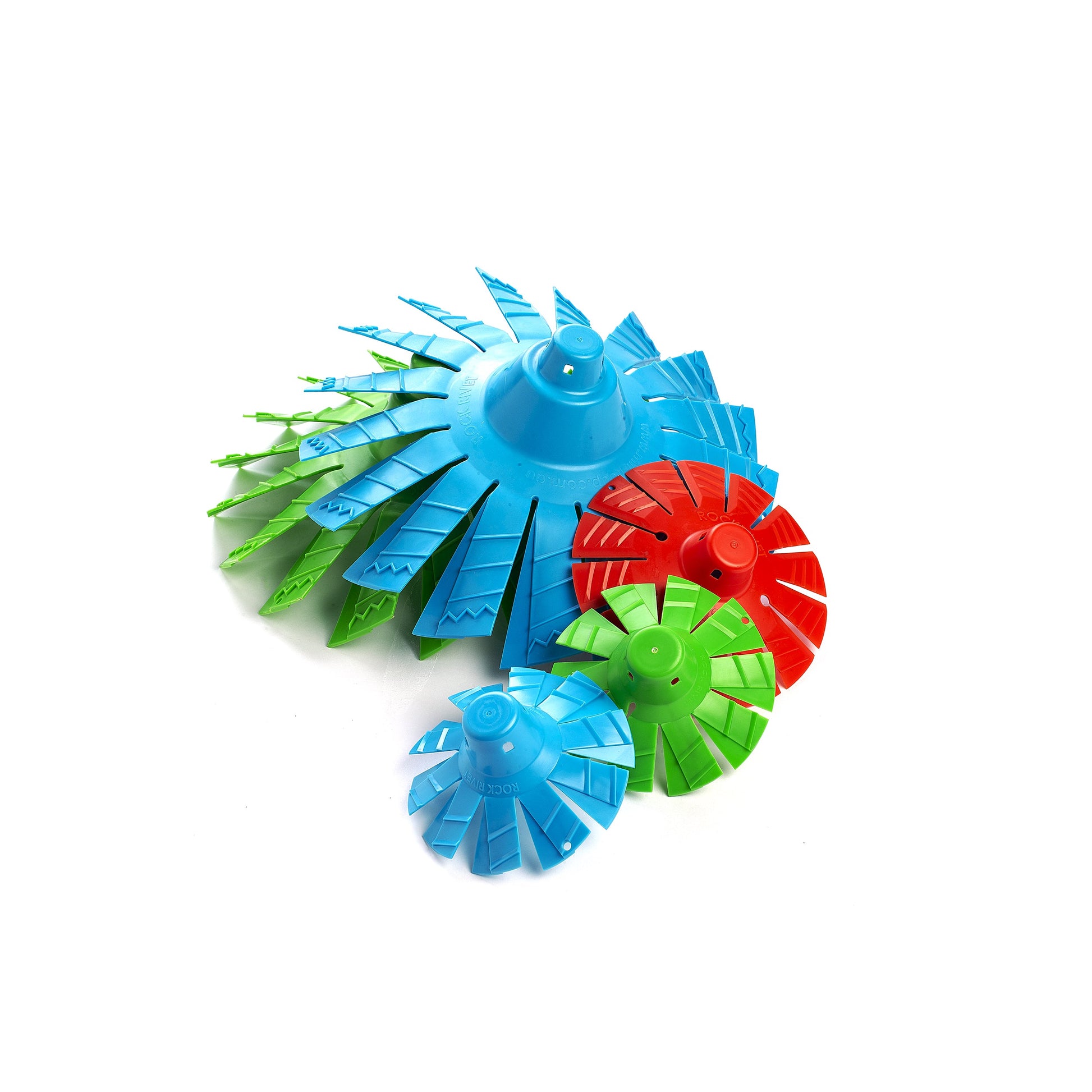
Rockrivets are a rigid plastic disc with fins along the outer edge. You slide one into the hole and it locks in place at the depth you want. They hold the stemming material in position and stop explosive from contaminating it. For this trial, they gave the EMTS team the support they needed to make their stemming design work.

High-speed cameras, drone photography, and physical measurements of the craters were used to compare the results.


The Result

The holes with ROCKRIVETs produced craters up to 21 m (68.9 ft) across — a 40% to 75% increase compared to the standard setup. Video footage confirmed less ejection. More energy was going into the rock, not out the top of the hole.

After the trial, the mine rolled out the solution across the problem areas. In a short time, they saw:

  • 38% reduction in P80 — finer, more consistent fragmentation that made loading and hauling smoother
  • 15% less oversize material — better crushing and processing efficiency
  • Reduced flyrock range — a significant safety improvement for everyone on site

So what does this mean?

Better confinement led to better energy distribution. The stemming actually held. And the mine got measurable improvements in fragmentation, safety, and throughput — without changing their explosive or their blast design. Just the stemming.